
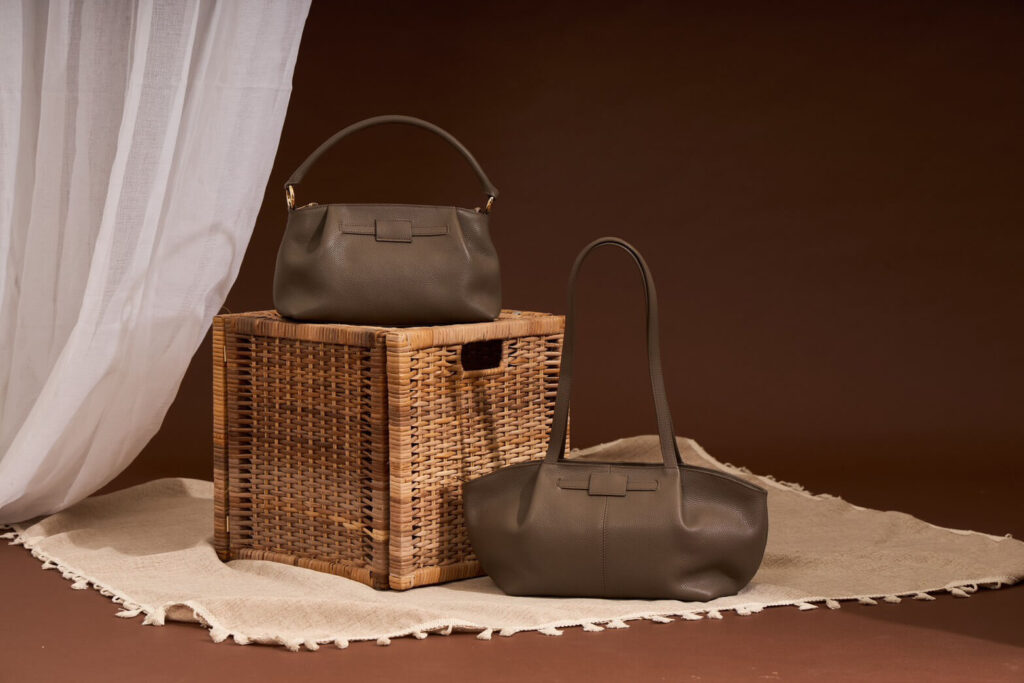
Understanding Genuine Cowhide Leather: Characteristics, Care & Maintenance
Leather has been valued for centuries for its strength, durability, and timeless beauty. Among the many types of leather available today, genuine cowhide leather remains one of the most popular choices for premium bags, wallets, belts, shoes, and other leather goods.
Unlike synthetic materials, genuine leather is a natural material with its own unique character. Every piece of leather has its own grain, texture, markings, and color variations. These natural characteristics are not imperfections—they are part of what makes genuine leather beautiful and unique.
In this article, we explore the characteristics of genuine cowhide leather, how it changes over time, and the best ways to care for your leather products so they can remain beautiful for many years.
What Is Genuine Cowhide Leather?
Cowhide leather is made from the hide of cattle and is widely used in the leather goods industry because of its strength, durability, and versatility.
After the hide is prepared and tanned, it can be finished in different ways to create a variety of textures, appearances, and levels of softness. Depending on the tanning and finishing process, cowhide leather can be smooth and refined, soft and flexible, or more structured and rugged.
These qualities make cowhide suitable for many types of products, from handbags and wallets to belts, shoes, accessories, and other premium leather goods.
Natural Characteristics of Genuine Leather
One of the most distinctive features of genuine cowhide leather is that no two pieces are exactly alike.
Because leather comes from a natural hide, variations may appear across its surface. These can include differences in grain, small wrinkles, pores, subtle markings, and variations in color or texture.
Rather than being defects, many of these characteristics are natural signs of genuine leather.
Natural Grain and Texture
The grain pattern of cowhide can vary from one area of the hide to another. Some areas may have a finer grain, while others may show more visible texture.
This variation gives genuine leather a natural appearance that is difficult to reproduce perfectly with synthetic materials.
Natural Markings
Small scars, wrinkles, creases, or other subtle markings may occasionally be visible on genuine leather.
The visibility of these characteristics depends on the grade of leather and how heavily the surface has been processed or finished. Leather with a more natural finish generally retains more of the hide’s original character.
Color Variation
Slight differences in color can occur even within the same piece of leather.
Because genuine leather is a natural material, it does not always absorb dyes and finishing treatments completely uniformly. Lighting, surface texture, and the direction of the grain can also affect how the color appears.
These subtle differences contribute to the individual character of each leather product.
How Genuine Leather Changes Over Time
One of the qualities people appreciate about genuine leather is the way it develops with use.
Over time, leather may gradually become softer, develop subtle changes in color, and show characteristics created by handling and everyday use. This natural aging process is often referred to as developing a patina.
The appearance of patina depends on many factors, including the type of leather, its finish, how frequently the product is used, exposure to sunlight, moisture, and the natural oils from your hands.
For many leather enthusiasts, these gradual changes are part of the appeal. Instead of remaining exactly the same throughout its life, a leather item can develop a character that reflects how it has been used.
Why Cowhide Leather Is Popular for Bags and Leather Goods
Cowhide offers a practical combination of durability, appearance, and versatility, which is why it is widely used for bags and accessories.
Depending on the thickness, tanning method, and finishing technique, cowhide can be adapted for different product designs. Softer leather may be suitable for flexible handbags, while firmer leather can provide structure for business bags, briefcases, or other products that need to maintain their shape.
Leather can also be combined with different linings, hardware, stitching techniques, and surface finishes to create products ranging from casual everyday accessories to refined premium collections.
For designers and brands, this versatility provides many possibilities when developing leather products.
How to Care for Genuine Cowhide Leather
Proper care can help genuine leather maintain its appearance and condition for many years. Although leather is durable, it is still a natural material and should be treated with appropriate care.
1. Keep Leather Away from Excessive Moisture
Leather should generally be protected from heavy rain and excessive moisture.
If your leather item becomes wet, gently remove excess water with a clean, soft cloth and allow it to dry naturally in a well-ventilated area.
Avoid using a hair dryer, heater, or other direct heat source to speed up the drying process. Excessive heat can cause leather to dry out, harden, or change shape.
2. Avoid Prolonged Direct Sunlight
Extended exposure to strong sunlight may cause some types of leather to fade, dry out, or change color over time.
When the product is not being used, store it in a cool, dry place away from prolonged direct sunlight.
3. Clean the Surface Gently
For routine cleaning, use a clean, soft, dry cloth to remove dust from the leather surface.
If deeper cleaning is necessary, use a cleaning product specifically designed for the particular type of leather. Always test any leather-care product on a small, inconspicuous area before applying it to the entire item.
Avoid household detergents, alcohol-based cleaners, and harsh chemicals unless they are specifically recommended for that leather finish.
4. Condition Leather When Appropriate
Some types of leather can benefit from occasional conditioning to help maintain flexibility and reduce excessive dryness.
However, not every leather finish requires the same treatment. Conditioning products can sometimes alter the color or appearance of leather, especially on lighter or more natural finishes.
Always follow the leather manufacturer’s care recommendations and test the conditioner on a hidden area first.
5. Avoid Overloading Leather Bags
Although cowhide is known for its strength, repeatedly carrying excessive weight can place unnecessary stress on handles, straps, stitching, hardware, and the overall structure of a bag.
Using the bag within its intended capacity can help preserve its original shape and extend its usable life.
How to Store Leather Bags Properly
Proper storage is just as important as regular cleaning.
Before storing a leather bag for an extended period, make sure that it is clean and completely dry.
Lightly fill the inside with soft, acid-free tissue paper or another suitable material to help the bag maintain its shape. Avoid overstuffing, as this may stretch or distort the leather.
Whenever possible, keep the bag inside a breathable dust bag. Avoid sealing genuine leather in an airtight plastic bag for long periods, as leather benefits from some air circulation.
Store leather products in a cool, dry environment with moderate humidity and away from direct sunlight or strong heat sources.
What Should You Avoid with Genuine Leather?
A few simple precautions can significantly reduce unnecessary damage to leather products:
Avoid prolonged exposure to water and high humidity.
Avoid strong heat and prolonged direct sunlight.
Do not use harsh household cleaning chemicals on leather.
Avoid contact with oily products, ink, perfume, and cosmetics whenever possible.
Do not store leather in damp or poorly ventilated areas.
Avoid placing heavy objects on leather bags during storage, as this can distort their shape.
If a leather product develops a serious stain, discoloration, mold, or other significant damage, professional leather cleaning or restoration may be safer than attempting aggressive cleaning at home.
Every Piece of Leather Has Its Own Character
Perhaps the most appealing quality of genuine cowhide leather is its individuality.
Variations in grain, texture, markings, and color are part of the material’s natural origin. As the leather is used, it can continue to evolve, developing subtle changes that make each item increasingly distinctive.
Understanding these characteristics also helps set realistic expectations when choosing genuine leather products. Unlike highly uniform synthetic materials, natural leather is not designed to look exactly identical from one piece to another.
That individuality is part of its character.
Choosing Genuine Leather for Premium Products
For brands developing leather bags and accessories, material selection plays an important role in both the appearance and performance of the finished product.
Different types of cowhide can provide different levels of softness, structure, texture, thickness, and surface character. The appropriate leather therefore depends on the product design, intended use, construction method, and desired aesthetic.
Selecting the right material is only one part of the process. Pattern development, cutting, stitching, edge finishing, lining, hardware selection, and quality control all contribute to the final quality of a leather product.
For this reason, understanding the characteristics of the material during the product development stage can help designers and brands make better decisions about both design and manufacturing.
Conclusion
Genuine cowhide leather combines durability, versatility, and natural beauty. Its grain, texture, markings, and subtle variations give every piece its own individual character, while proper use and care allow leather products to develop beautifully over time.
Simple habits—such as keeping leather away from excessive moisture and heat, cleaning it gently, storing it correctly, and using suitable leather-care products—can help maintain its appearance and condition for years.
Rather than expecting genuine leather to remain completely unchanged, its natural variations and gradual aging can be appreciated as part of the material itself. With appropriate care, a well-made cowhide leather product can become more distinctive with time and use.
Why Choose TNLX as Your Leather Bag Manufacturing Partner
• Over 50 Years of Expertise
With more than five decades of experience in producing leather bags and apparel for premium international brands, TNLX brings proven craftsmanship, reliability, and global manufacturing know-how.
• Dedicated B2B Leather Bag Manufacturer
As a specialized OEM/ODM leather bag factory in Thailand, we work closely with brands worldwide — prioritizing quality, precision, and on-time delivery.
• OEM & ODM Capabilities
Whether you need full design support (ODM) or production based on your specifications (OEM), our team delivers tailored solutions that align perfectly with your brand’s creative and commercial goals.
• Trusted by Leading Global Brands
Our leather bag manufacturing excellence is trusted by renowned international and domestic labels, including Daks London, Guy Laroche, Arrow, and many others — a testament to our consistency and professionalism.
• International Standards & Sustainable Production
We adhere to global quality control systems, ensuring every product meets international standards. TNLX also commits to responsible and sustainable manufacturing for leather bags, supporting long-term growth for your brand.
TNLX | Leather Goods & Apparel Manufacturer
Tel: (66) 02 295 0911-19 ต่อ 188
Email: sales@thanulux.com
WhatsApp : +66 81 104 3711
Line : @TNLXfactory
Instagram : @bagtnlx
Facebook : BAG TNLX